



By ALLRESIST GmbH
Supplier Info

Product Type:
Parts & Consumables
Application:
Chemicals & Photoresists
Product Description:
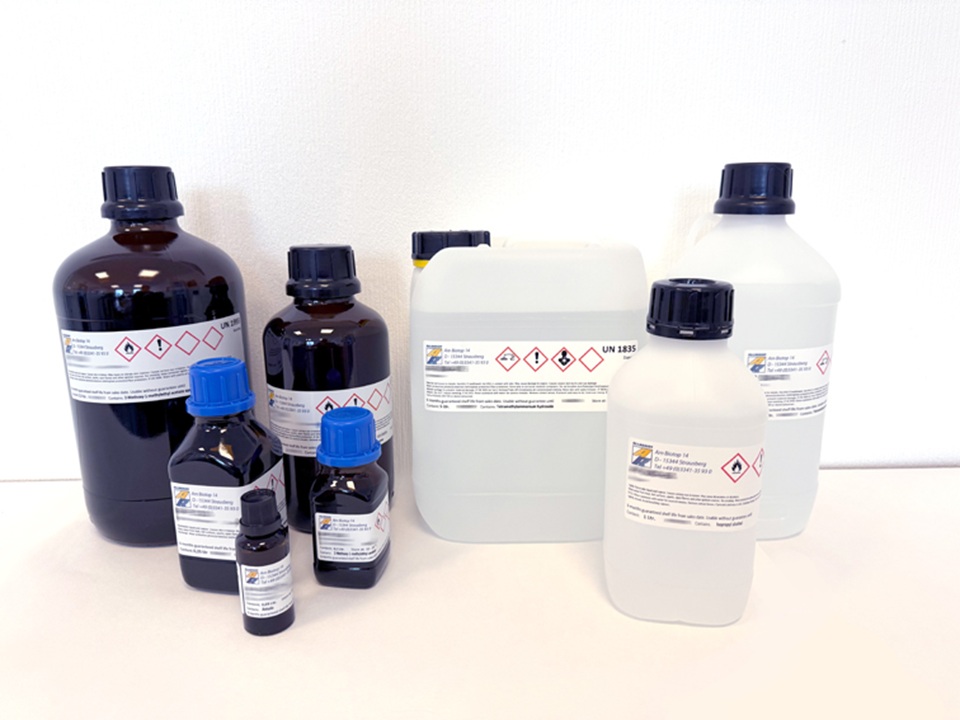
The Allresist SX AR-N 8400 Series (Medusa 84 SiH) is a high-performance negative photoresist designed for precision semiconductor and MEMS applications. It delivers submicron resolution, excellent adhesion, and low defect density, making it ideal for advanced lithography and microfabrication.
Characterisation:
- Hydrogen silsesquioxane dissolved in butyl acetate.
- Highest resolution e-beam resist.
- Improved shelf life and stability, as butyl acetate reduces gelling and particle formation.
- Elimination of the presumably carcinogenic solvent MIBK.
SX AR-N 8400.04 Properties:
- Solids content: 4%
- Film thickness/4.000 rpm: 50 µm
- Storage temperature: 8-12 °C
SX AR-N 8400.08 Properties:
- Solids content: 8%
- Film thickness/4.000 rpm: 100 µm
- Storage temperature: 8-12 °C
SX AR-N 8400.12 Properties:
- Solids content: 12%
- Film thickness/4.000 rpm: 200 µm
- Storage temperature: from-12 °C
SX AR-N 8400.22 Properties:
- Solids content: 22%
- Film thickness/4.000 rpm: 400 µm
- Storage temperature: from-18 °C
Available to order in pack sizes:
- 30ml
- 100 ml
- 250 ml
- 1L
Pricing available on request.
There are currently no videos available.
Processing Instructions:
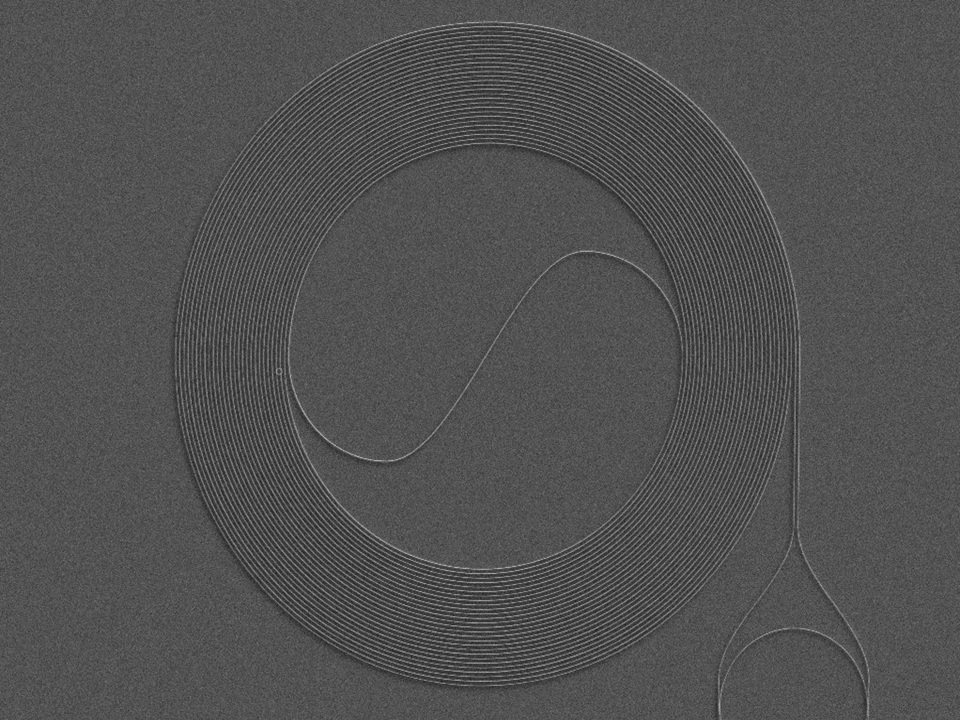
The HSQ polymer, developed by Allresist, has a unique manufacturing and purification process. This results in the Medusa 84 SiH product being optimised in terms of its properties, such as minimum feature size, line edge roughness and process stability. This was confirmed in a study conducted by RAITH GmbH with their Voyager EBL-System at 50kV, 120 pA, base dose: 12.000 pC/cm, developer: KOH 1% 1 min. The Medusa 84 SiH was compared with an HSQ powder, and the smallest possible line width was determined.
The highest achievable resolution of the Medusa 84 SiH is 3.6 nm on a freshly coated wafer (day 0), whereas the HSQ powder achieved signifi cantly poorer values of 5.3 nm. Medusa 84 SiH also demonstrates a more consistent increase in achievable line width, with minimal change to 3.8 nm after 14 days. In contrast, the HSQ powder exhibited greater fl uctuations throughout the entire observation period.