



By ALLRESIST GmbH
Supplier Info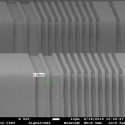
Product Type:
Parts & Consumables
Application:
Chemicals & Photoresists
Product Description:
The Allresist AR-N 2200 Series is a high-resolution negative photoresist engineered for advanced semiconductor, MEMS, and micro-/nanofabrication applications. Designed for precision patterning, excellent process stability, and reproducibility, it enables submicron and nanoscale feature definition, making it ideal for both research and industrial lithography processes.
Characterisation:
- Broadband UV, i-line, g-line.
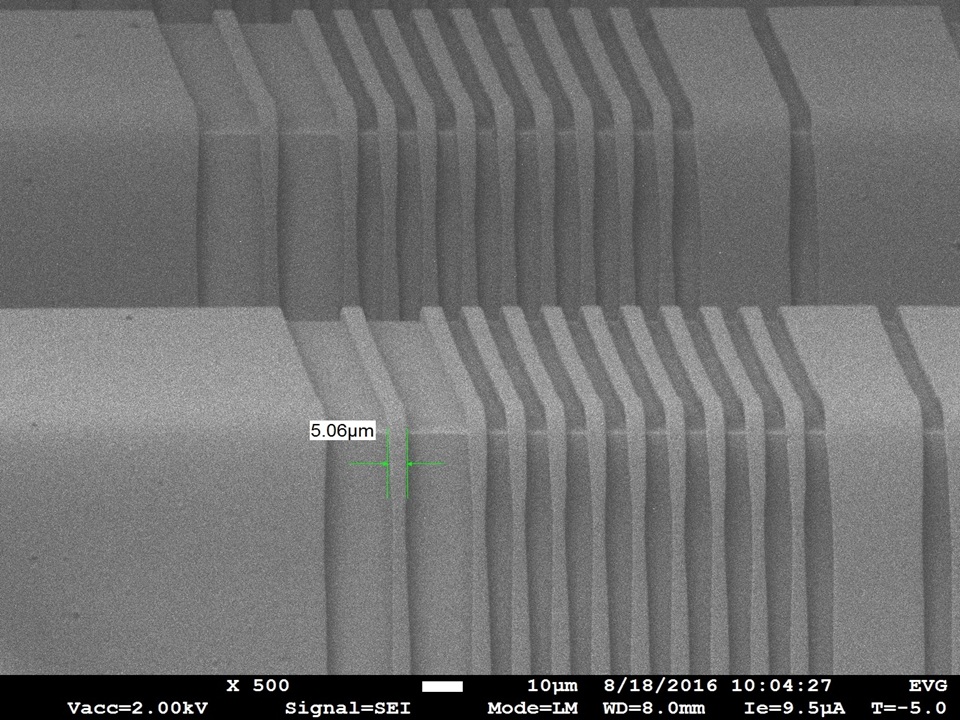
- AR-N 2210 for a uniform coverage of vertical trenches.
- AR-N 2220 for etch profiles with 54° slopes.
- Good adhesion, smooth surface.
- Combination of novolac and naphthoquinone diazide.
- Safer solvent PGMEA as well as methyl ethyl ketone.
AR-N 2210 Properties:
- Film thickness: 4-10 µm
- Resolution: 1.0 µm
- Flash Point: 12 °C
- Storage temperature: 10-18 °C
AR-N 2220 Properties:
- Film thickness: 4-10 µm
- Resolution: 1.0 µm
- Flash Point: 12 °C
- Storage temperature: 10-18 °C
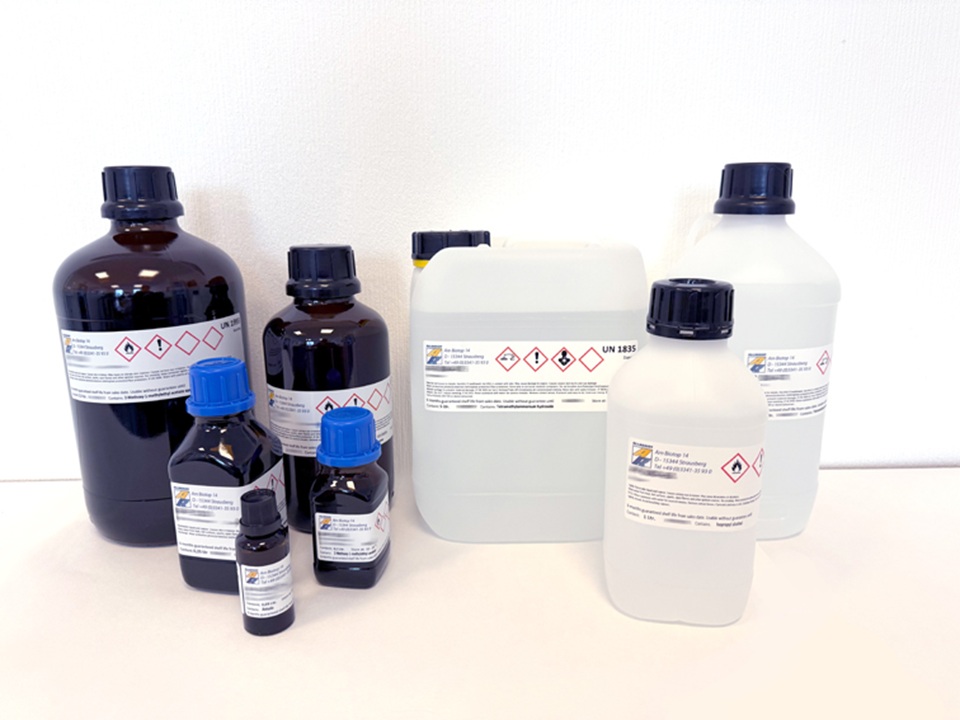
Pricing and pack sizes available on request.
There are currently no videos available.
Processing Instructions for Spray Resists:
Coating: For spray coating, resists are filled into the cartridges of the spray coater under yellow light. Gas formation in the resist supply line which is generally observed for AZ 4999 does not occur with AR resists.
The quality of the coating largely depends upon the respective spray coating device which is used. The best experiences we have had with the devices of EV Group. Adjustable device parameters such as dispensing rate, scanning speed, spray distance and chuck temperature exhibit a major influence on the film forming process. Commercially available spraying devices differ considerably with respect to their coating properties, and own experiments to determine the optimum parameters are therefore absolutely necessary.
Resists 1220/2220 and 1230/2230 form very homogeneous surfaces. Due to their specific solvent composition, solvent evaporation is reduced, but nevertheless a complete and at the same time sufficient coverage of the substrate is provided. Surfaces are thus considerably less rough as compared to AZ 4999.
If unheated chucks are used, coated substrates should be tempered on a hot plate at plate at 85 – 90 °C for 2-5 min or in a convection oven at 85 °C for 25 min to improve adhesion. A temperature of 90 °C should however not be exceeded to prevent edge retraction of the resist caused by possible softening processes. With resists AR-P 1210 and 1220 as well as with AR-N 2210 and 2220 and under standard conditions, film thickness values of 4 – 8 μm can be obtained. Higher film thicknesses are possible with higher dispensing rates or using multiple coating steps.